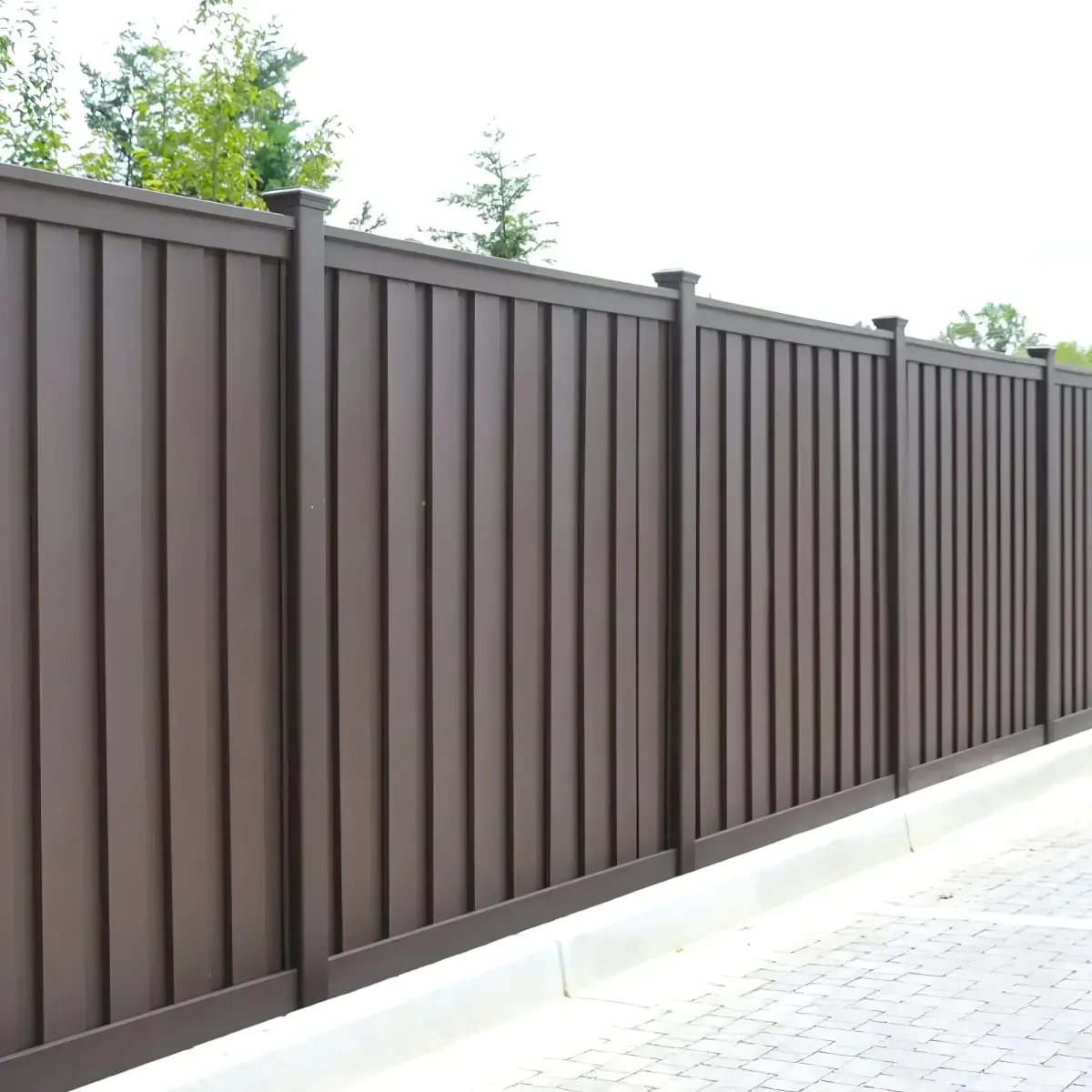
Privacy, security, and a polished finish. Quality fencing installed properly, no lean, no wobble, no rot. Timber, composite, and metal options for every garden and budget.
Most fencing failures come down to posts. Undersized, incorrectly set, or not properly treated, a fence is only as good as what holds it up. We start every job by assessing ground conditions and specifying the right post type, size, and depth for the fence style and exposure.
Whether you're after the classic look of feather-edge timber, the low-maintenance appeal of composite boarding, or the clean lines of a metal frame with hit-and-miss infill, we install fencing that stays straight, lasts for years, and looks good doing it.
The classic choice, vertical overlapping boards on pressure-treated rails. Great value, traditional aesthetic, and easily painted or stained. We install with gravel boards and concrete-set posts as standard.
The premium, zero-maintenance option. Composite boards won't rot, warp, or need treating. Same material technology as composite decking, looks great, lasts decades, and always straight.
Powder-coated steel or aluminium frame with timber, composite, or slatted metal infill. Extremely strong, very contemporary, and completely immune to the post rot that affects timber-only systems.
Pre-made pressure-treated panels between concrete posts, the most cost-effective way to fence a large garden quickly. We always use recessed concrete posts and gravel boards for longevity.
We walk the boundary with you, discuss style and height preferences, and check for any underground services or planning restrictions on boundary heights.
Itemised quote covering post setting, infill materials, gravel boards, and any gate or access points. No surprises on the day.
Posts correctly spaced, plumbed, and set in concrete. We allow concrete to cure before continuing, rushing this step is how fences lean within a year.
Rails, infill boards, gravel boards, and caps all installed level and consistent. Gates hung, latched, and tested before we leave.
All offcuts and packaging removed. Your boundary is finished, your garden is tidy, and everything is exactly as quoted.
"Had three sections of old panel fencing replaced with composite. The difference is remarkable, it looks completely different, exactly level, and we'll never have to replace it again. Excellent job."
"Our previous fence was leaning badly within two years of going up. Beams & Braces explained exactly why, undersized posts, no gravel boards. Their replacement has been up three years and is perfectly plumb."
"Fast, tidy, and professional. They replaced a full 40-metre boundary in two days and left the garden cleaner than they found it. Quoted fairly and delivered exactly what was promised."
Without planning permission, residential garden fences at the rear and side of a property can be up to 2 metres high. Fences adjacent to a highway (including front gardens visible from the road) are limited to 1 metre. If you want to exceed these heights, a planning application is needed. We check all height requirements as part of the survey and flag anything that needs attention.
Fence ownership is defined in your property's title deeds, look for 'T marks' on the boundary plan. A T on your side of the boundary means you own (and are responsible for maintaining) that fence. If there's no clear marking, the convention is that you own the fence on your left as you face your property, but this isn't always the case. We recommend checking your deeds or Land Registry title before replacing a shared boundary.
A well-installed timber fence (properly treated posts, gravel boards, capped rails) will typically last 10–15 years before significant maintenance or replacement is needed. A composite fence carries a 25-year warranty and, in practice, will outlast most timber by a significant margin, it won't rot, warp, or need treating. The upfront cost is higher but the lifetime cost is very comparable, and you save the maintenance time.
Yes, removal and disposal of existing fencing is included in our quotes unless specified otherwise. This includes digging out old concrete post footings, which is often the most time-consuming part of a replacement job. If you're happy to dispose of the old material yourself, we can adjust the price accordingly.